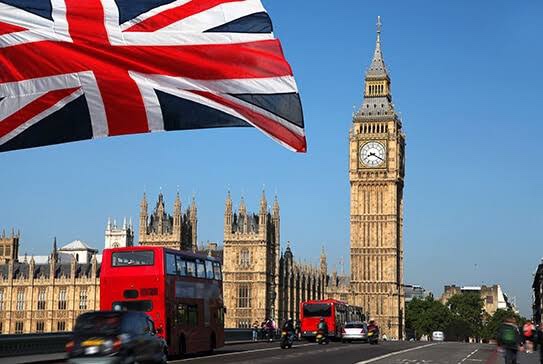
Enjoy reading until the end.!!
Cityscape in Britain
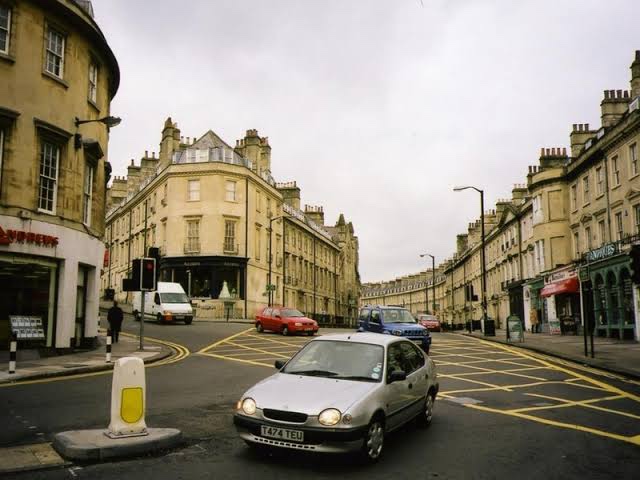
The characteristic of the streets of Britain is that there are still many old streets in the world. Even in the capital, London, it is easy to find 16th-century buildings and 18th-century buildings in each region, even as urban development progresses. Britain has a habit of valuing old things, and does not often redevelop old buildings like Japan to replace them with new ones. The absence of an earthquake is another reason why many old buildings remain. There are some areas in London where urban development is progressing, but basically there is a law that determines the height of buildings and the color of outer walls by the Landscape Act, and the British values themselves prefer old houses. Because they are an Englishman who has the value of cleaning and cleaning old houses, repairing them with my own hands if they break, and becoming more attached to them as they use them for a long time, the pretty streets and old buildings are still beautiful. Remaining. Furthermore, it is a complex style including the Georgian style of the 18th century, and there are many buildings with a profound feeling such as brown like bricks and mess.
As an image, it is a building with a world view like Harry Potter and Sherlock Holmes, and many Victorian style buildings remain. Unlike the Ottoman style of Paris, it is also a characteristic of the English streets that there are few decorations and many functional buildings.
Cityscape in Japan
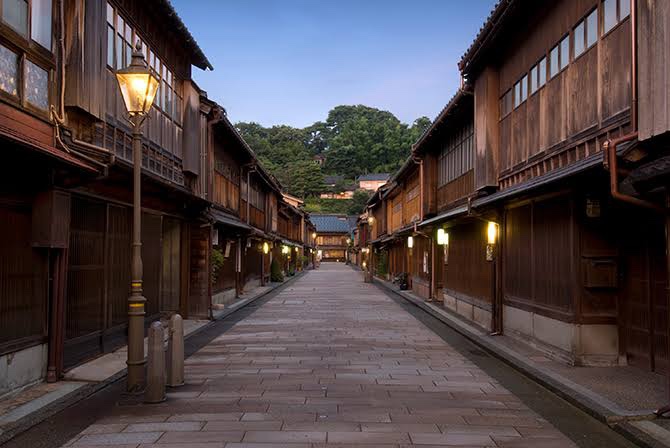
The characteristic of Japanese cities is that the townhouses in Kyoto, Nara, Kanazawa, etc. feel very old-fashioned. The row of wooden buildings with tiled roofs is a landscape of a traditional Japanese city that has been around since the Heian period. Old streets nationwide, such as Kawagoe City, Saitama Prefecture, where houses with thick clay walls and tiled roofs with a profound feeling are lined up, and Semboku City, Akita Prefecture, where the samurai residences where samurai once lived are gathered. The landscape is protected as a conservation area. Old-fashioned scenery still remains in downtown, the old town of the common people represented by Asakusa and Katsushika Ward in Tokyo.
London Bus
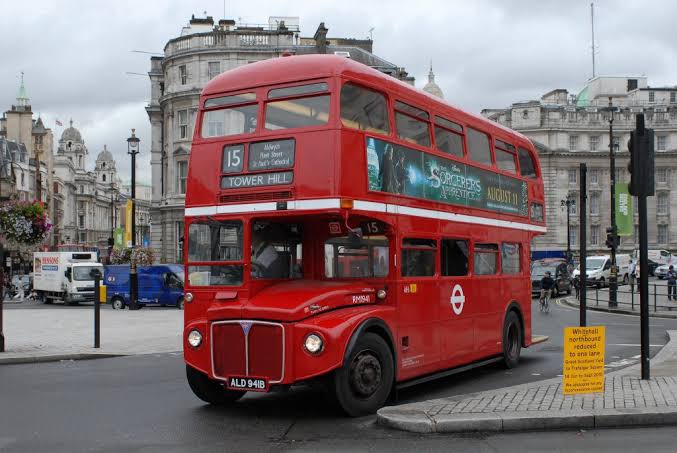
The British bus is a red two-story bus.
The name is London Bus and it is characteristically red.
Of course, it is left open while driving and in winter, and instead, the conductor is on board separately from the driver to protect safety.
The first floor of the bus can seat about 30 people, and the second floor can seat about 40 people.
The view from the second floor is a bit different and people can enjoy a new side of London. It’s a little high, so people can see tall buildings such as Big Ben and Westminster Abbey from the bus.
People can also enjoy the bus by taking the London Bus to famous buildings and sightseeing spots in England.
Japanese bus
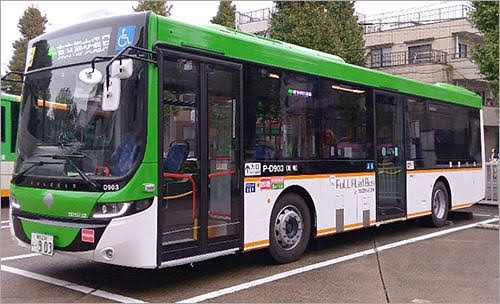
Japanese buses include large cars, medium-sized cars, and small cars. Also, unlike England, it is a one-story building and the number of people who can ride it is small. There are various types of buses, which vary from region to region. There are pictures, different colors, and patterns. In addition, there are separate sightseeing buses and school buses. The sightseeing bus is a large car and the school bus is a medium-sized car. Recently, the number of buses that are barrier-free and use small vehicles is increasing.
House in Britain
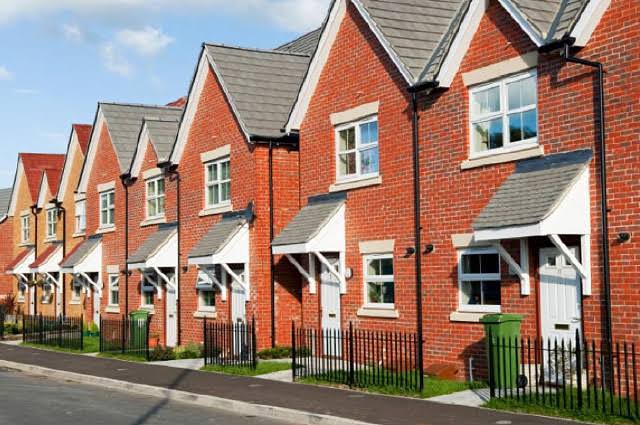
British houses have different architectural structures.
It is called a double brick, and the length of the two longest sides of the brick size connected together is the “wall thickness”.
Brick is a material with excellent heat insulation performance, and it has long-lasting durability and weather resistance unless there is an earthquake.
For this reason, the cityscape is old and the landscape is protected by national and local ordinances.
Households are especially interesting because they depend on the history, culture and traditions of the country.
House in Japan
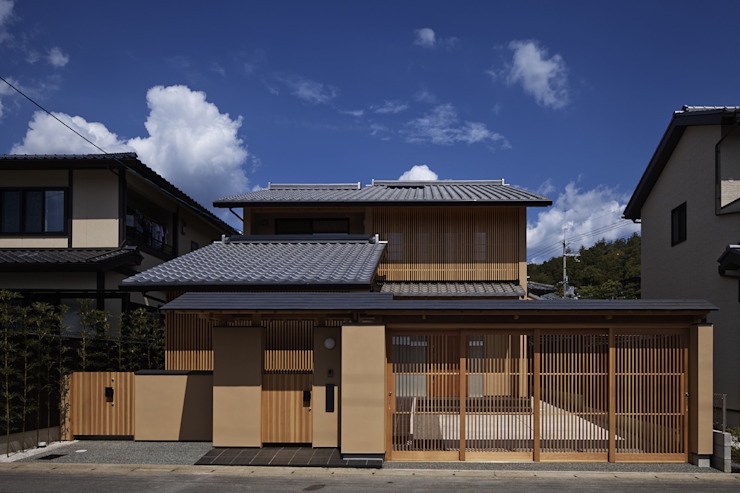
Japanese houses are small in both urban and rural areas and are generally close to their neighbors. Nevertheless, the traditional design of Japanese homes, regardless of size or location, has common contrivances such as protecting privacy, taking in natural light, protecting the home from the elements and feeling the outside air.
Buying a family-friendly single-family home is not an easy task for people living in Japanese cities, but even in apartments, it’s usually a traditional home, such as a bathtub or a stepped entrance. You can see the features. In addition, many Western-style houses have Japanese-style rooms with tatami mats. The elements of traditional Japanese houses have been a source of inspiration for Western architects for many years and are characteristically old-fashioned.
In conclusion, there are many differences between Britain and Japan in many ways. I wanted to see the difference with my own eyes because I wanted to know more about the difference.
Thankyou for reading..!!😙❤️🔥 Good bye~👋🏻
 サイトのタイトル